


Flu jab side effects a week later: what is likely, what is not, and when to get advice
Most flu jab side effects show up within a day or two and are gone soon after, so if you start feeling unwell a week later, the vaccine is probably not the reason. A cold or another seasonal virus is usually the more likely culprit. It is a very common worry at this time of year, and if you would like a symptom checked, LIPS Healthcare offers GP appointments at Battersea Power Station. Below, we explain what side effects to expect, what the timing tells you, and when it is worth speaking to a doctor.
At a glance
● Normal flu jab side effects start within a day or two and last a day or two.
● New symptoms a week later are more often a cold or another virus.
● Get advice if symptoms are severe, getting worse or not settling.
How long do flu jab side effects last?
Flu jab side effects usually start within a day or two of the injection and last a day or two. Think of them as your immune system getting to work, and for most people they are mild. The most common flu vaccine side effects are:
● A sore, red or slightly swollen arm where the injection was given
● A slightly raised temperature
● Aching muscles
● Tiredness or a mild headache

Are flu jab side effects a week later normal?
Symptoms that start a week after a flu jab are not usually caused by the vaccine, because the normal reactions appear within the first day or two rather than several days later. If you feel unwell for the first time a week on, something else is the more likely cause.
The injected flu vaccine does not contain live virus, so it cannot give you flu, as the UKHSA Green Book explains. It does take around two weeks for your body to build protection, though, and in that window you can still pick up flu, a cold or another virus. Autumn is exactly when these bugs spread fastest, through offices, schools and busy trains.
That is why so many people blame their flu jab for a cold. The timing feels connected, but the two are usually separate events that simply landed in the same week.
What else could explain symptoms a week after a flu jab?
A common cold, another respiratory virus, or flu caught before the vaccine had time to work are the usual explanations for symptoms that start a week after your jab. Only a clinician can tell you what is behind your own symptoms, but these are the most likely candidates:
● A common cold: a runny or blocked nose, sneezing and a sore throat that come on gradually.
● Flu caught early: a sudden high temperature, aching body and exhaustion.
● COVID-19 or another winter virus: the symptoms overlap with colds and flu, so testing may help.
● Something unrelated: a new symptom can simply coincide with the timing of your jab.
If you live or work in Nine Elms, Vauxhall or Wandsworth, we are close by. A short GP appointment can help you work out what is going on and whether you need any tests, and you can book a private GP appointment online.
If a cold has already started and you have a second dose or another vaccine coming up, our guide to having a flu jab with a cold explains when it is fine to go ahead.
For everyday winter wellbeing, the LIPS online pharmacy stocks a range of immunity support supplements, including vitamin C and vitamin D, which contribute to the normal function of the immune system. They are a useful extra over the colder months, but they do not replace the flu jab.
When should you get medical advice after a flu jab?
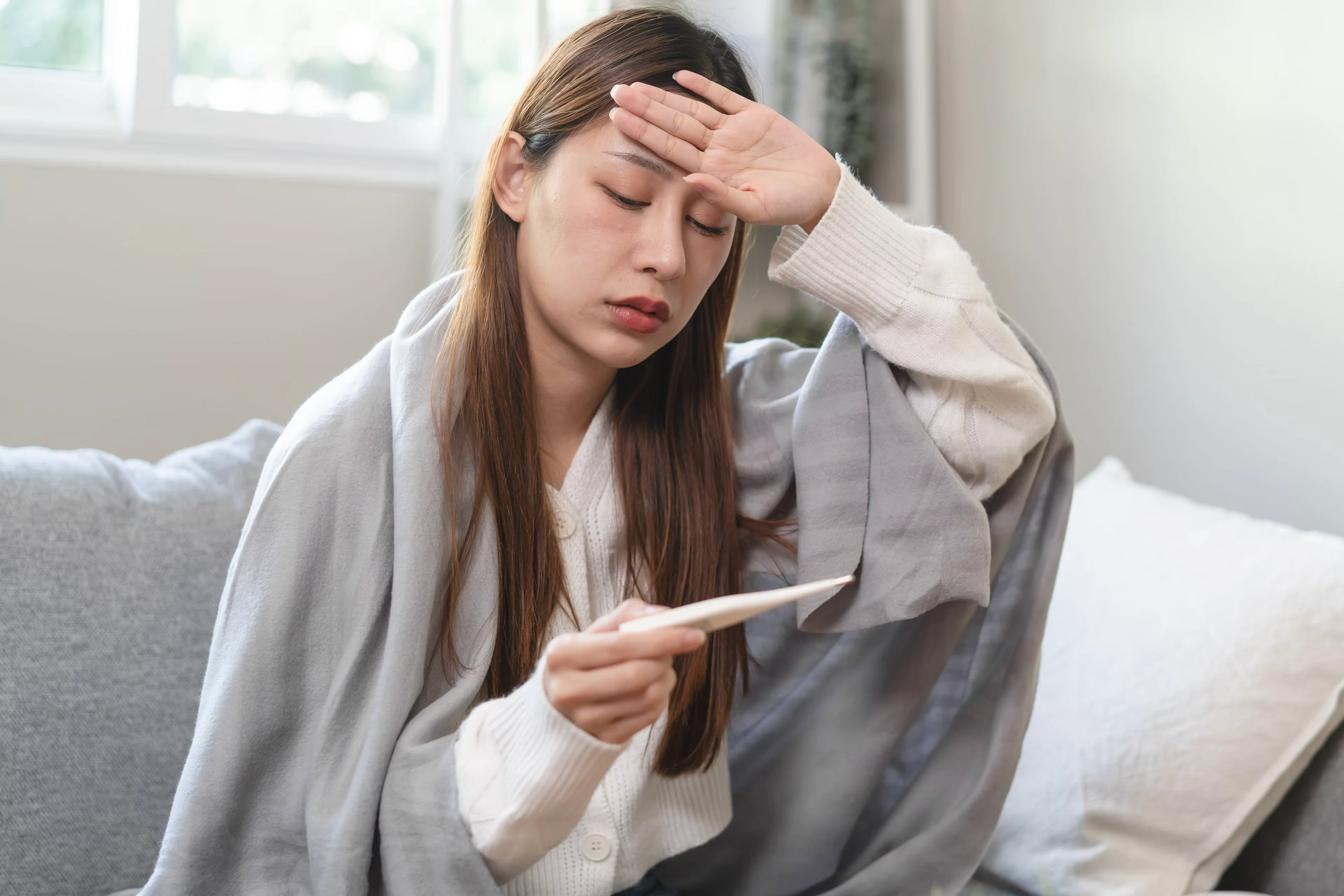
Get medical advice after a flu jab if your symptoms are severe, getting worse, or still hanging around after a few days. Trust your instincts too: if something feels unusual for you, it is worth a conversation. In particular, look out for:
● A high temperature that does not settle
● Symptoms that are getting worse rather than better
● An injection site that is becoming more painful, hot, red or swollen
● Feeling much more unwell than you would expect from a cold
● Any new symptom that is worrying you
You will find LIPS Healthcare on the first floor of Turbine Hall B at Battersea Power Station, a short walk from the Northern line station and easy to reach on the London Overground. Patients come from Chelsea, Clapham and Pimlico to see a GP here. If you have not had this season's flu jab yet, the trivalent flu injection is in stock, and if you need to be seen the same day for something that is not an emergency, the LIPS Urgent Care Centre can assess you.
If you think you have had a side effect from a vaccine, anyone can report it through the MHRA Yellow Card scheme, which helps the regulator keep track of vaccine safety.
Frequently asked questions about flu jab side effects
What are the most common flu jab side effects?
A sore arm is the most common. A slightly raised temperature, aching muscles, tiredness and a mild headache are also typical, usually in the first day or two.
Can the flu jab give you the flu?
No. The injected vaccine contains no live virus, so it cannot give you flu.
Is a sore arm a week after the flu jab normal?
Not usually. A sore arm normally settles within a day or two, so if yours is getting more painful, hot, red or swollen a week on, speak to a GP or pharmacist.
How long does the flu jab take to work?
About two weeks. Until then, you can still catch flu, a cold or another virus.
Should I report flu jab side effects a week later?
Yes, if you think the vaccine caused them. Anyone can report a suspected side effect through the MHRA Yellow Card scheme.
Can I see a GP at LIPS Healthcare about symptoms after my jab?
Yes. Book a private GP appointment at Battersea Power Station, or use the LIPS Urgent Care Centre if you need to be seen the same day for something that is not an emergency.


